
Orlaya Seeds
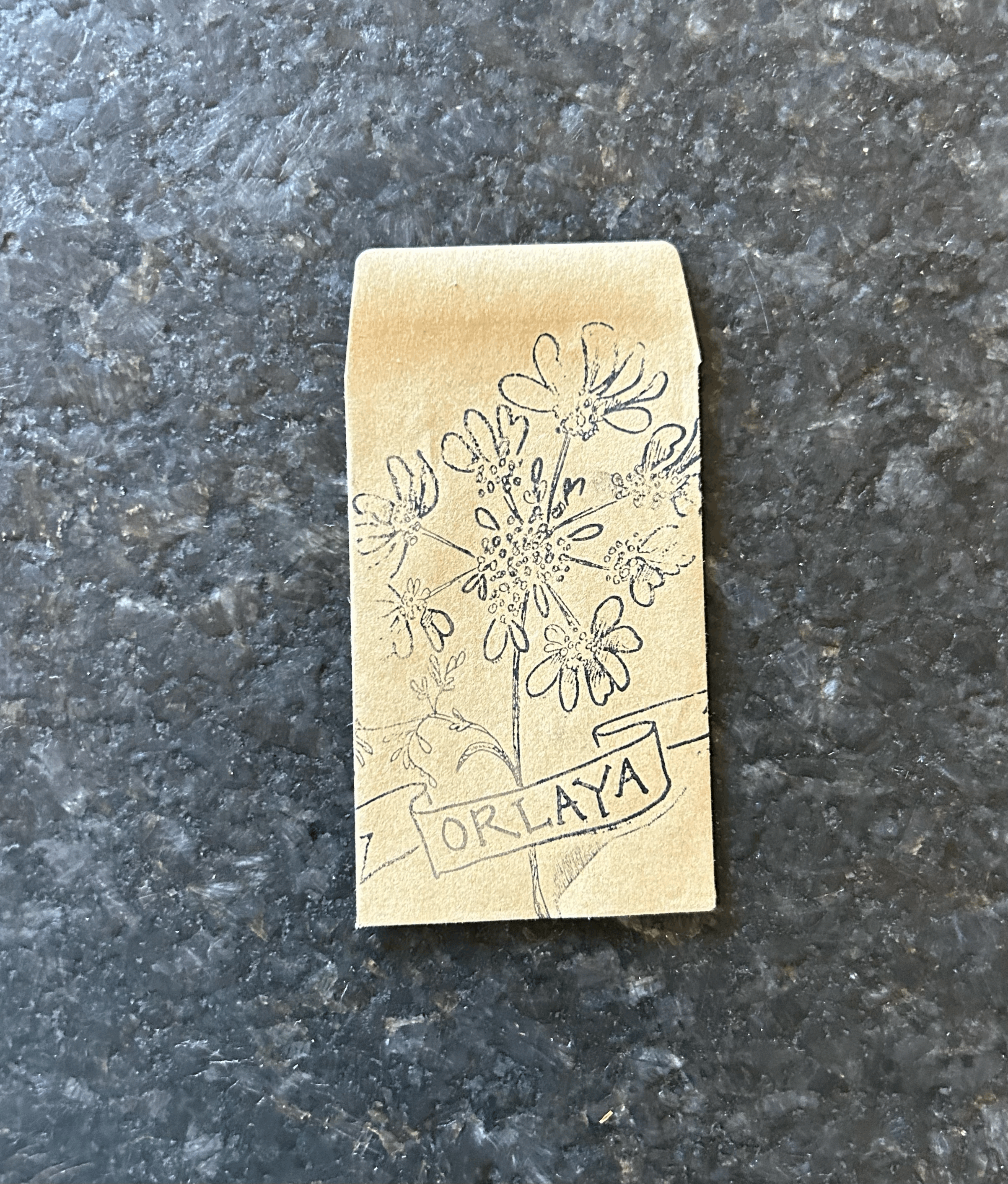
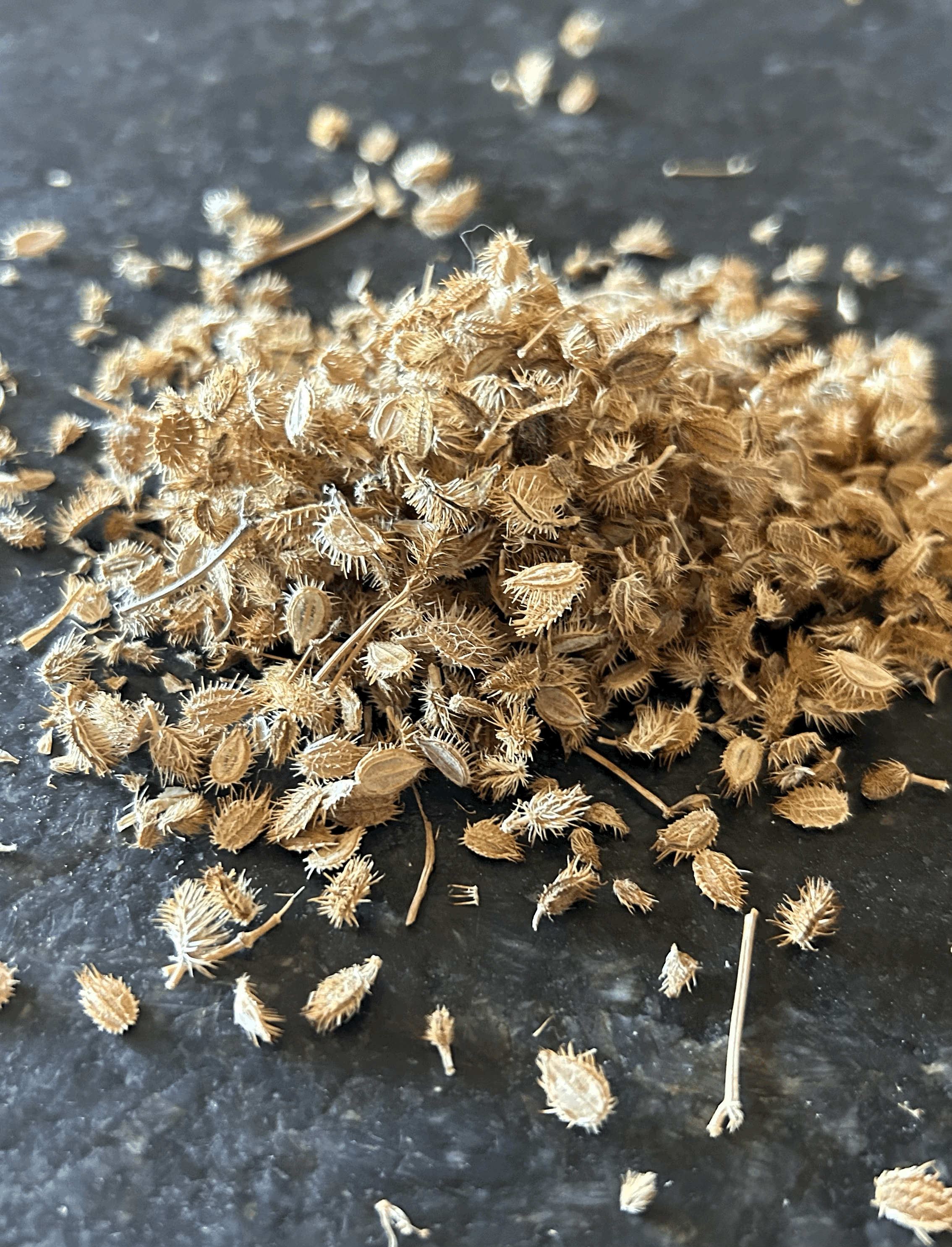
Orlaya Seeds
Orlaya (Orlaya grandiflora), often called white lace flower, is a charming annual that brings delicate, airy interest to borders, cottage gardens, and floral arrangements. If you want a low-maintenance, pollinator-friendly plant with a soft cottage-garden aesthetic, Orlaya is an excellent choice.
What Orlaya looks like
Flowers: Loose, flat umbels of small white blooms arranged in lacy clusters, reminiscent of cow parsley or lacecap. Each umbel can be 2–4 inches across, creating a frothy, cloudlike effect when plants are in full bloom.
Foliage and stems: Finely divided, feathery green leaves on wiry, upright stems. Plants typically reach 12–24 inches tall, with a 12–18 inch spread. The airy habit allows light and other plants to show through.
Season: Blooms from late spring through midsummer, and sometimes reblooms if conditions remain cool and moisture is adequate.
How to grow Orlaya
Climate and hardiness: Grows best in USDA zones roughly 5–9 as an annual. Prefers temperate conditions; extreme heat shortens bloom time.
Light: Full sun to light afternoon shade. In hotter climates, provide afternoon shade to extend bloom duration.
Soil: Well-draining soil with moderate fertility. Orlaya tolerates average garden soil; avoid heavy, waterlogged soils. A neutral to slightly alkaline pH suits it well.
Sowing:
Direct sow outdoors after the last frost for best results. Seed can be sown 1/8 inch deep.
For earlier blooms, start indoors 4–6 weeks before the last frost and transplant when seedlings are sturdy and the threat of frost has passed.
Seedlings are fairly fragile—handle gently.
Spacing: Thin or plant seedlings about 8–12 inches apart to allow airflow and maintain the airy look.
Watering: Moderate watering. Keep soil evenly moist until established; once growing, Orlaya is somewhat drought tolerant but performs best with regular moisture.
Fertilizer: Low to moderate fertility. Over-fertilizing can produce floppy growth. If soil is poor, a light balanced fertilizer at planting and once midseason is sufficient.
Maintenance:
Deadhead spent blooms to encourage prolonged flowering, or allow some seed to develop for self-sowing if you want natural reseeding.
Stake not usually required; stems are generally strong enough when spaced properly.
Cut back at season’s end; remove spent plants to reduce disease and tidy the bed.
Pests and diseases: Relatively pest-free. Watch for slugs on seedlings and root rot in poorly drained soils. Good air circulation reduces fungal issues.
Uses
Garden design: Ideal for mixed borders, cottage gardens, and informal plantings. Its delicate white umbels provide contrast with bold-leaved perennials and bright annuals. Use as a backdrop for low-growing color or interplanted with roses, salvias, and nepeta.
Cutting garden and floral arrangements: Long, slender stems and lace-like blooms make Orlaya excellent for fresh bouquets and airy fillers in mixed arrangements. Stems hold up well in water for several days.
Pollinators: Attracts bees, hoverflies, and beneficial insects. Use near vegetable beds or orchards to support pollinators and natural pest control.
Naturalizing and meadows: Works well in wildflower mixes and meadow plantings where a light, breezy texture is desired.
Dried flower use: Some stems and umbels can be dried; while they lose some crispness, dried Orlaya adds delicate detail to dried arrangements.
Why choose Orlaya
Effortless charm: Produces a lot of visual interest with minimal fuss.
Pollinator-friendly: Supports beneficial insects and improves garden ecology.
Versatile: Suits borders, mixed plantings, cutting gardens, and naturalistic settings.
Self-seeding potential: Can return year-to-year in favorable conditions, reducing replanting work.
Plant Orlaya for airy, white floral texture that complements bold garden colors, supports pollinators, and supplies elegant cut flowers with little maintenance.