
Zinnia Seeds (mixes sizes and colors)
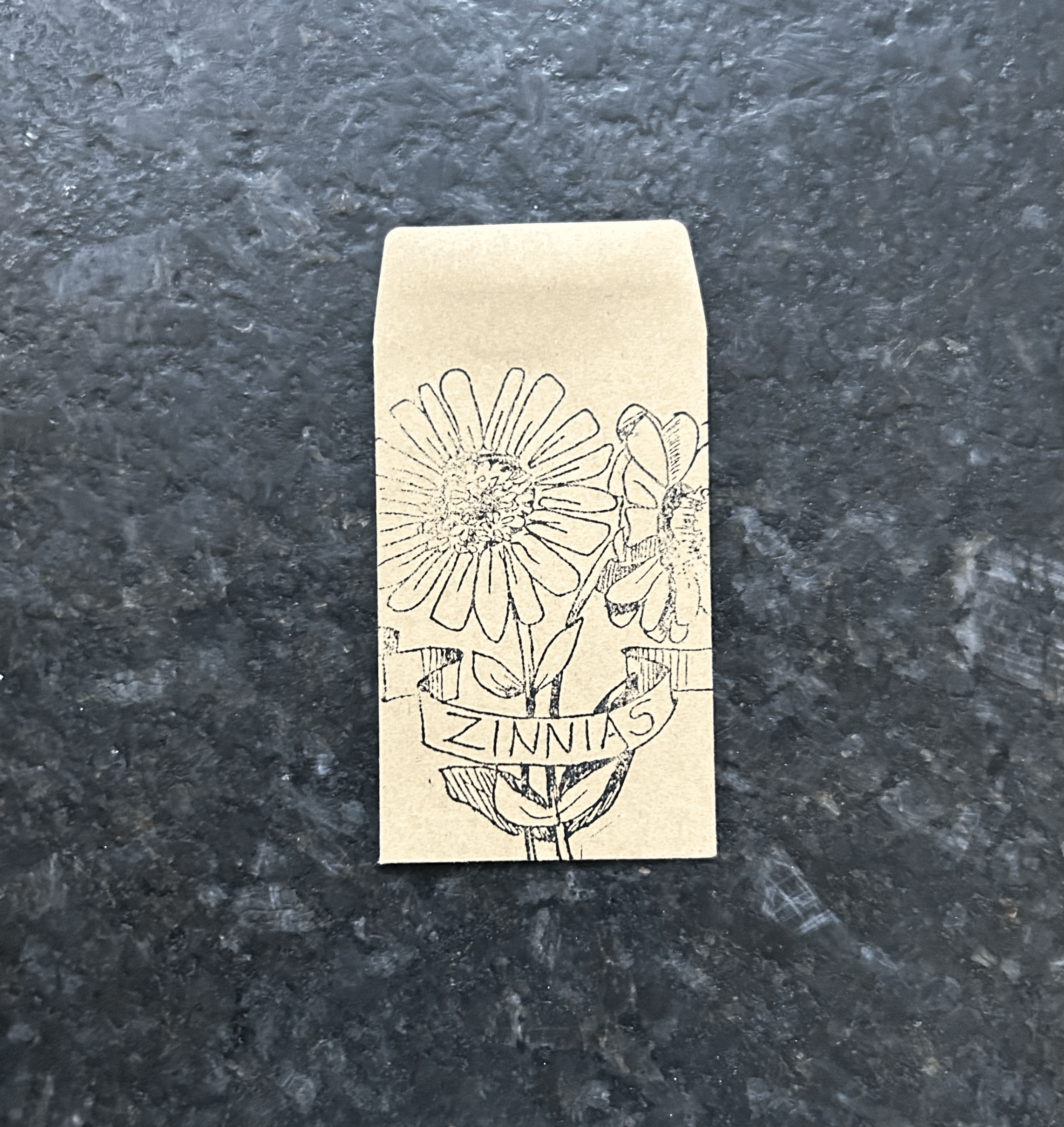
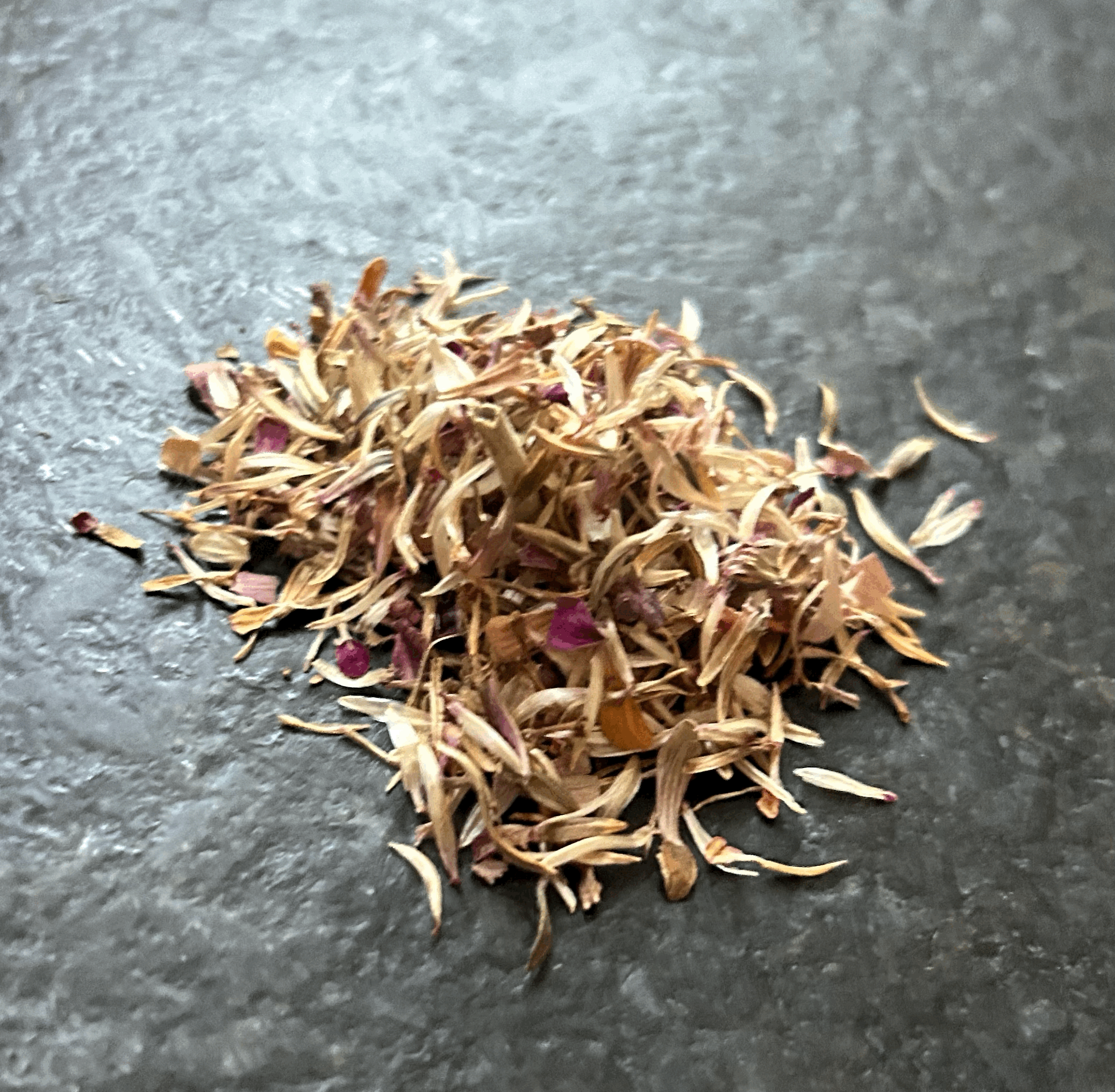
Zinnia Seeds (mixes sizes and colors)
Zinnias: Bright, Easy, and Unmissable — Plant, Grow, Care, and Use
Why choose zinnias?
Bold, long-lasting blooms in a rainbow of colors.
Fast to flower and forgiving for beginners.
Attract pollinators like bees and butterflies.
Excellent for beds, borders, containers, and cut flowers.
When to plant
Direct-sow outdoors after the last frost date when soil has warmed (typically when nighttime temps stay above 50°F).
In most U.S. zones, plant from late spring through early summer; you can succession-sow every 2–3 weeks for continuous blooms.
In cool climates, start seeds indoors 4–6 weeks before the last frost and transplant after hardening off.
For a fall display, sow zinnias about 8–10 weeks before your average first frost.
How to grow
Light: Full sun — at least 6–8 hours daily for best flowering.
Soil: Well-draining, moderately fertile soil. Amend heavy clay with compost and sand to improve drainage.
Spacing: Depends on variety. Dwarf types: 6–12 inches apart. Medium: 12–18 inches. Tall or dahlia-flowered: 18–24 inches.
Planting depth: Sow seed shallowly, about 1/8 inch deep; cover lightly with soil.
Watering: Provide consistent moisture until established. Afterward, water at the base to keep foliage dry; zinnias tolerate short dry spells but perform best with regular watering.
Fertilizer: Use a balanced, moderate fertilizer at planting and a light feeding every 4–6 weeks. Avoid high-nitrogen feeds that encourage foliage over flowers.
Support: Tall varieties may need staking or cages to prevent flopping in wind or rain.
Care and maintenance
Deadheading: Remove spent blooms regularly to encourage continuous flowering. For varieties grown for seeds, leave some flowers to mature.
Air circulation: Space plants to promote airflow and reduce powdery mildew risk. Avoid overhead watering.
Disease control: Choose mildew-resistant varieties in humid climates. If powdery mildew appears, prune affected foliage and improve spacing and air flow. Fungicidal treatments are a last resort.
Pest control: Watch for aphids, spider mites, and caterpillars. Use strong water spray, insecticidal soap, or beneficial insects as needed.
Mulch: Apply a thin layer of organic mulch to conserve moisture and suppress weeds, keeping it away from stems to prevent rot.
End of season: Zinnias are tender annuals; clear spent plants before frost. Save seeds from dry, ripened flower heads for next year.
Uses
Cut flowers: Long stems and durable blooms make zinnias ideal for fresh bouquets and arrangements. Cut in the morning and recut stems underwater for longer vase life.
Pollinator gardens: Excellent for attracting bees, butterflies, and hummingbirds.
Mass color and borders: Use en masse for a bold color statement or mixed borders for contrast.
Containers: Compact varieties thrive in pots on patios, balconies, and window boxes.
Companion planting: Bright flowers draw beneficial insects that help control pests on vegetables and other ornamentals.
Dried flowers and crafts: Some zinnia types preserve well when air-dried for wreaths and arrangements.
Seed saving: Easy to harvest and store for future plantings; note that hybrids may not come true to type.
Variety tips
Choose single-flowered types for more pollinator access.
Double flowers are showier for bouquets but can be less attractive to pollinators.
Look for mildew-resistant cultivars in humid regions.
Quick planting checklist
Select a sunny site with well-draining soil.
Sow after last frost or start indoors 4–6 weeks earlier.
Space according to variety and provide support for tall types.
Water at the base, mulch lightly, and deadhead regularly.
Monitor for pests and mildew; choose resistant varieties if needed.
Zinnias deliver color, ease, and versatility — plant them this season for continuous blooms, pollinator visits, and beautiful bouquets from summer through fall.