
Loofah Seeds
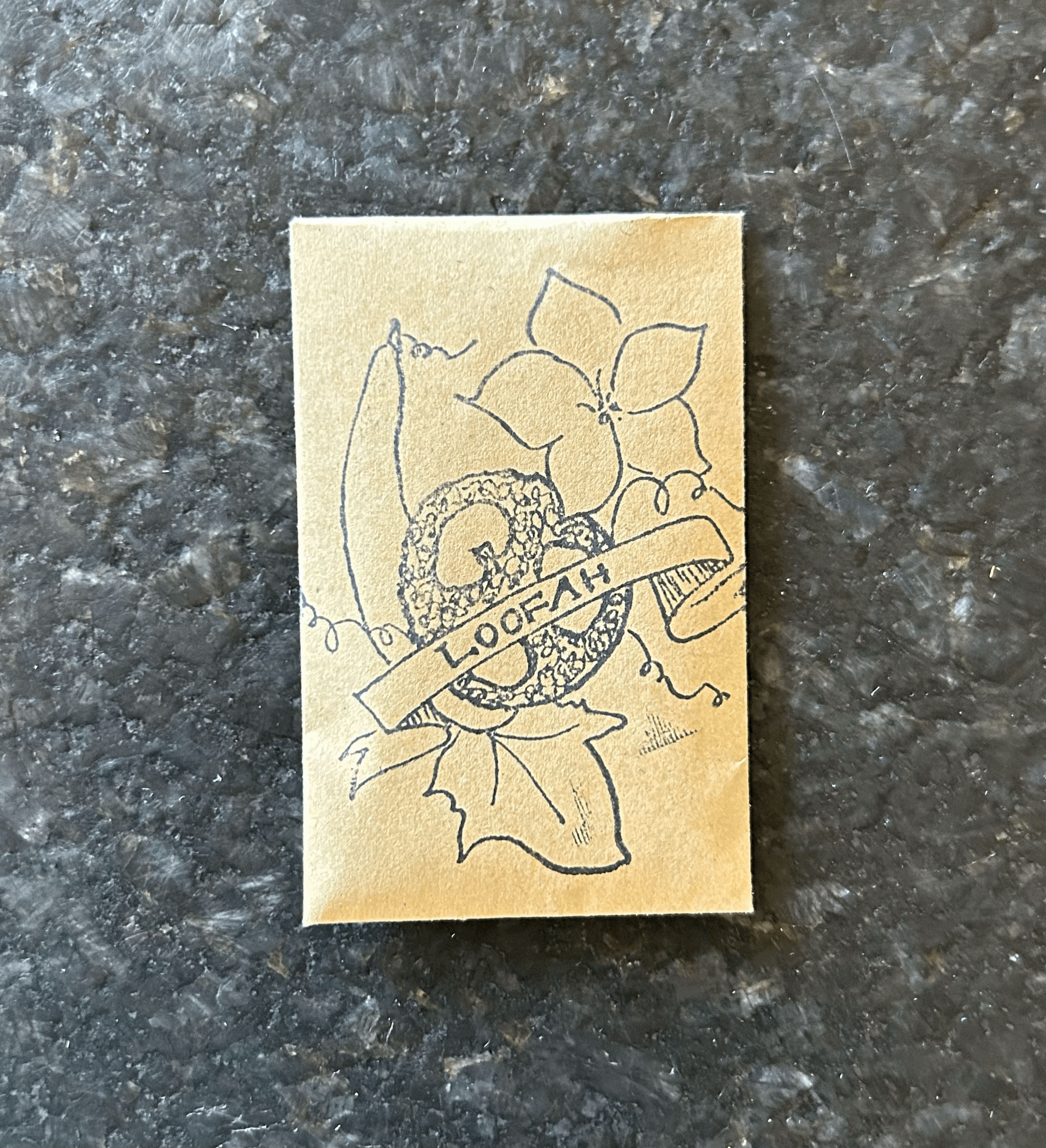
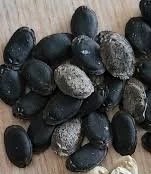
Loofah Seeds
Loofah plants: grow your own natural scrubbers, garden-to-bath simplicity, and sustainable home goods.
Why loofah?
Eco-friendly alternative to synthetic sponges and plastic-based scrubbers.
Multi-purpose: skincare, dishwashing, household scrubbing, crafts, and gifts.
Productive vine: attractive foliage and large gourds that store and cure into durable fibrous sponges.
When to plant
Start seeds indoors 4–6 weeks before your area’s last expected frost. Loofah needs a long, warm growing season (70–100 days to harvest, some varieties longer).
Transplant outside after all danger of frost has passed and soil temps consistently above 60°F (16°C). In most U.S. climates, that means planting after late spring frost.
In warm climates (USDA zones 8–11), you can sow directly after last frost or grow as a long-season crop in spring.
How to grow
Site: Full sun (6–8+ hours daily). Choose a site with good air circulation to reduce mildew.
Soil: Well-drained, fertile soil with moderate organic matter. Aim for pH 6.0–7.0. Amend heavy clay with compost and coarse sand.
Support: Provide a strong trellis, arbor, fence, or teepee. Vines can reach 10–30 feet; sturdy vertical support makes harvesting easier and keeps fruits clean.
Planting: Space seedlings 12–18 inches apart along the trellis base. Plant seeds 1 inch deep.
Watering: Keep soil evenly moist, especially during flowering and fruit set. Avoid waterlogged conditions.
Feeding: Side-dress with balanced fertilizer or compost mid-season. Overly rich nitrogen promotes foliage over fruit.
Pollination: Loofah vines produce separate male and female flowers; bees and pollinators are essential. Enhance pollination with pollinator-friendly flowers nearby or hand-pollinate if needed by transferring pollen from male to female flowers with a brush.
Pests & diseases: Watch for squash vine borer, cucumber beetles, powdery mildew. Use row covers early (remove for pollinators), rotate crops, practice good sanitation, and apply organic controls as needed.
Harvest timing: For sponge use, harvest when gourds are mature and the outer green skin begins to yellow and dry. For edible use (young gourds), pick at 3–4 inches long while still tender. To make sponges, allow mature fruits to dry on the vine as long as weather permits; otherwise, cut and finish curing in a dry, airy spot.
Curing & processing: Once dry, peel away the outer skin and shake out seeds. Rinse, boil briefly to sterilize if desired, then sun-dry or oven-dry at low heat. Trim to desired size and shape.
Uses
Natural bath and body: Gentle exfoliation, biodegradable, chemical-free. Market as zero-waste skincare accessory.
Kitchen & cleaning: Long-lasting, abrasive enough for dishes and counters, compostable when worn out.
Giftable and craft-friendly: Cut, dye, or wrap loofah slices for soaps, aromatherapy sachets, or handmade gift sets.
Versatility: Offer both edible young gourds (a seasonal specialty vegetable) and matured sponges from the same crop—appeals to gardeners and eco-conscious shoppers.
Cost-effective: One plant can produce multiple usable sponges and seeds for future crops—great for subscription boxes, farmer’s markets, and workshops.