
Cosmos Seeds
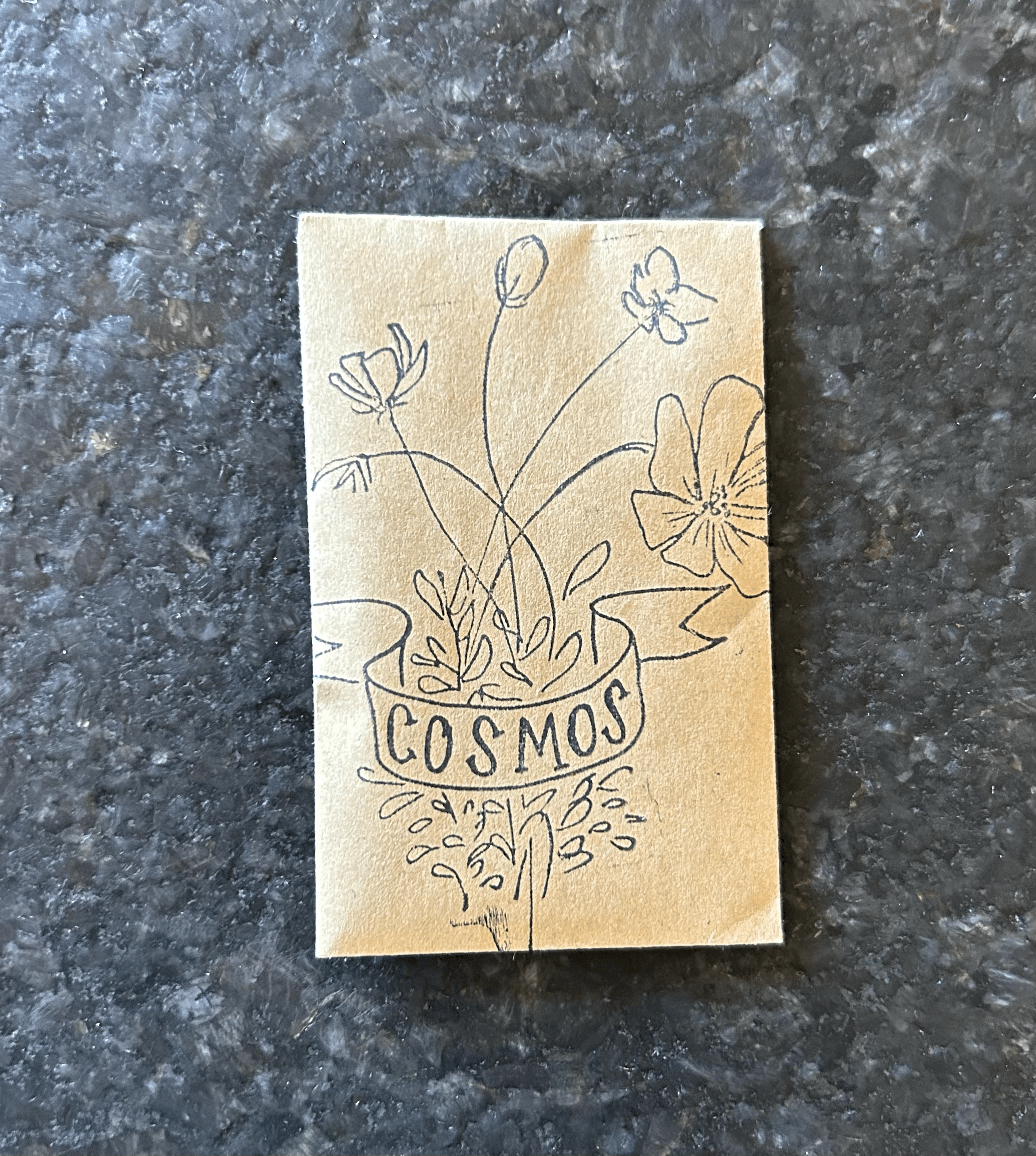
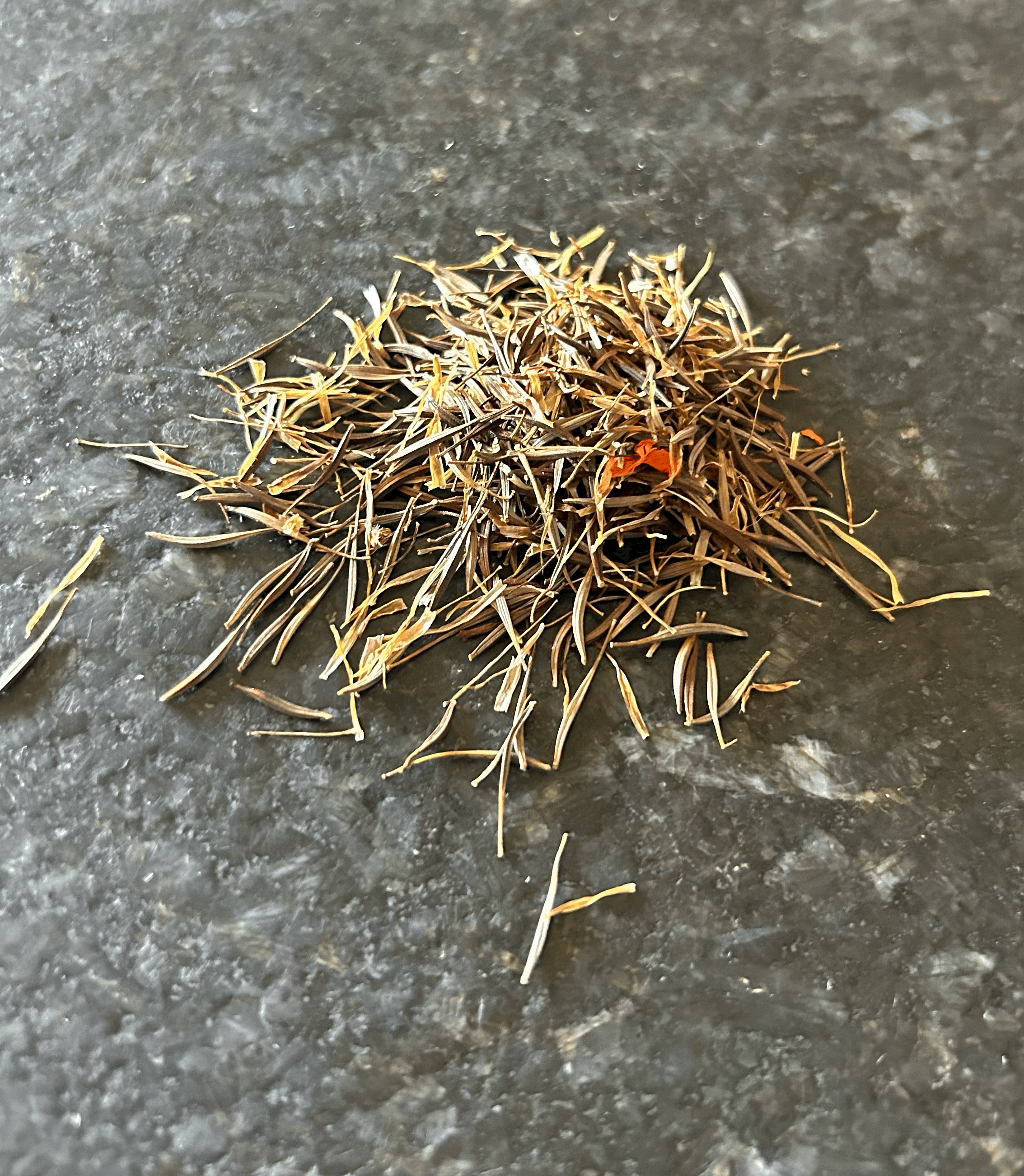
Cosmos Seeds
Cosmos: effortless, colorful blooms that transform any garden into a meadow of long-lasting beauty.
Why choose Cosmos?
Eye-catching bloom: Delicate, daisy-like flowers in vibrant shades of pink, magenta, white, and salmon bring airy color from early summer through fall. Their feathery foliage adds soft texture and movement.
Low-effort performance: Ideal for beginners and busy gardeners — drought-tolerant, disease-resistant, and unharmed by poor soils.
Pollinator magnet: Bees, butterflies, and beneficial insects flock to cosmos, boosting garden health and productivity.
Versatile use: Perfect for borders, cottage gardens, containers, cut-flower bouquets, and meadow plantings.
What they look like
Flower form: Single or semi-double open petals around a contrasting central disk; blossoms range from 1.5 to 4 inches across depending on the variety.
Foliage and habit: Fern-like, finely divided leaves on graceful, upright stems that sway in breeze; heights vary from 12 inches (dwarf varieties) to 6 feet (tall varieties).
Color palette: Pure white, blush pink, deep rose, fiery orange-salmon, and bicolor varieties with contrasting centers.
When and how to grow Cosmos
Best time to plant: Sow seeds outdoors after the last spring frost when soil has warmed, or start indoors 4–6 weeks before the last frost to get an earlier display. For continued blooms, direct-sow every 2–3 weeks through early summer.
Light: Full sun is ideal for abundant flowering; they tolerate light afternoon shade but may be lankier with fewer blooms.
Soil: Prefer well-drained, average to poor soils. Rich soils or heavy fertilization produce excessive foliage and fewer flowers.
Spacing: Thin or space plants 8–18 inches apart depending on variety height to ensure airflow and strong stems.
Watering: Water regularly until established. Once established, cosmos are drought-tolerant; water deeply but infrequently. Avoid overwatering.
Fertilizer: Minimal feeding required. A light application of balanced fertilizer at planting is sufficient. Avoid high-nitrogen feeds.
Deadheading and maintenance: Pinch back young plants to promote bushiness. Deadhead spent flowers to encourage continuous blooming. For a natural meadow look, allow some seed heads to mature for self-seeding.
Pest and disease: Generally pest-free; watch for aphids or powdery mildew in humid conditions. Good air circulation and moderate watering prevent most issues.
Uses and design ideas
Cut flowers: Long stems and a steady supply of blooms make cosmos excellent for bouquets and floral arrangements.
Borders and mass plantings: Use tall varieties at the back of borders, mixed with sun-loving perennials; shorter varieties provide colorful edging.
Containers and patio gardens: Choose compact varieties for pots; combine with trailing plants for contrast.
Pollinator gardens: Plant in drifts with coneflowers, zinnias, and salvias to create a pollinator-friendly habitat.
Naturalized meadows: Let cosmos self-seed for an informal, low-maintenance meadow that returns year after year in suitable climates.
Why buy from Short Trip Farm
Carefully selected varieties tested for vigor, bloom abundance, and true-to-color performance.
Expert tips included so you’ll get blooms faster and longer.
Responsibly grown — ideal for sustainable and pollinator-friendly gardening.
Ready to add effortless color and pollinator power to your garden? Choose cosmos for long-blooming beauty, simple care, and versatile use. Plant after frost, give them sun and well-drained soil, and enjoy a summer and fall of delicate, dancing flowers.
Short Trip Farm variety is bright orange in color!