
Electric Daisy Seeds
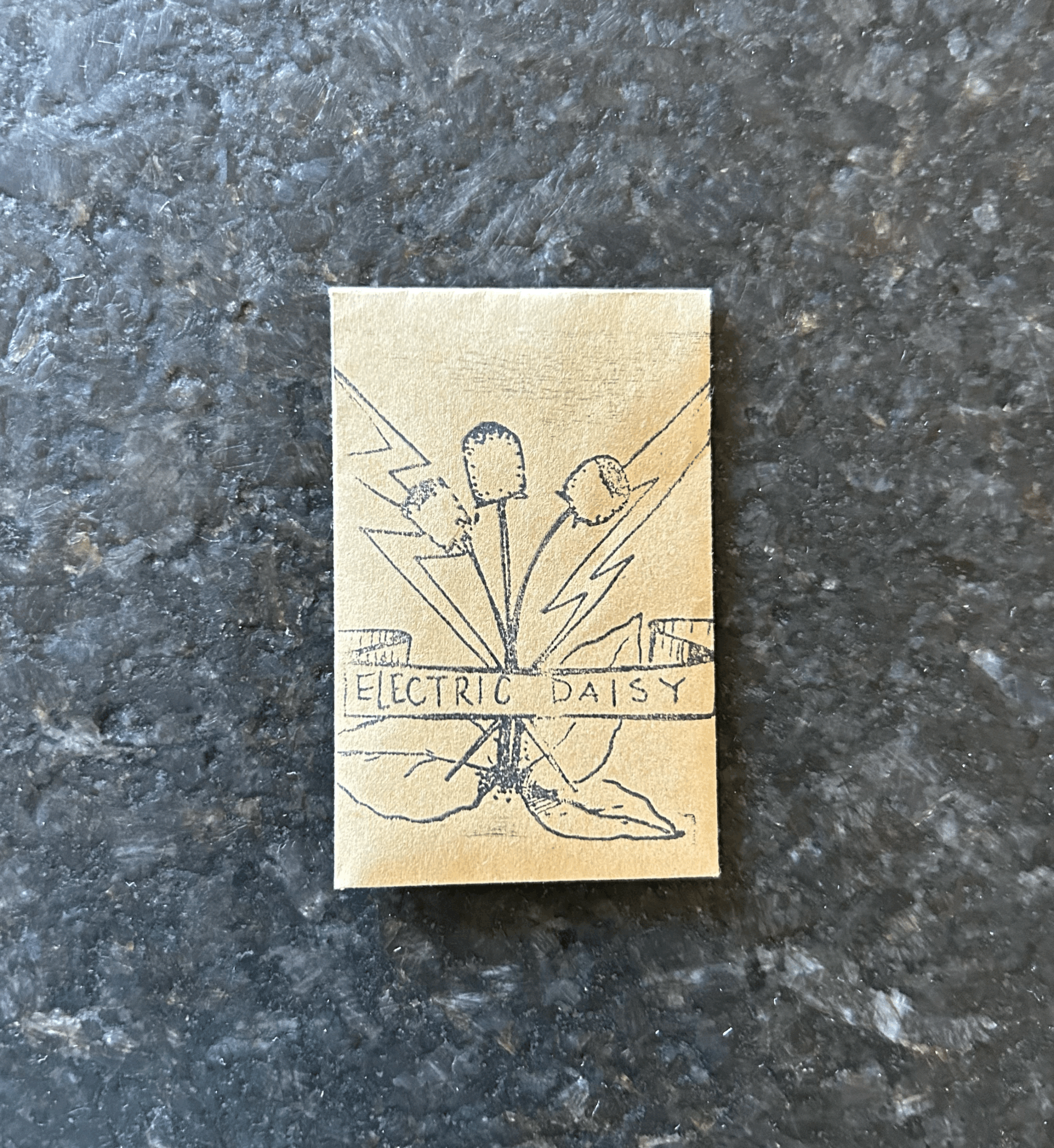
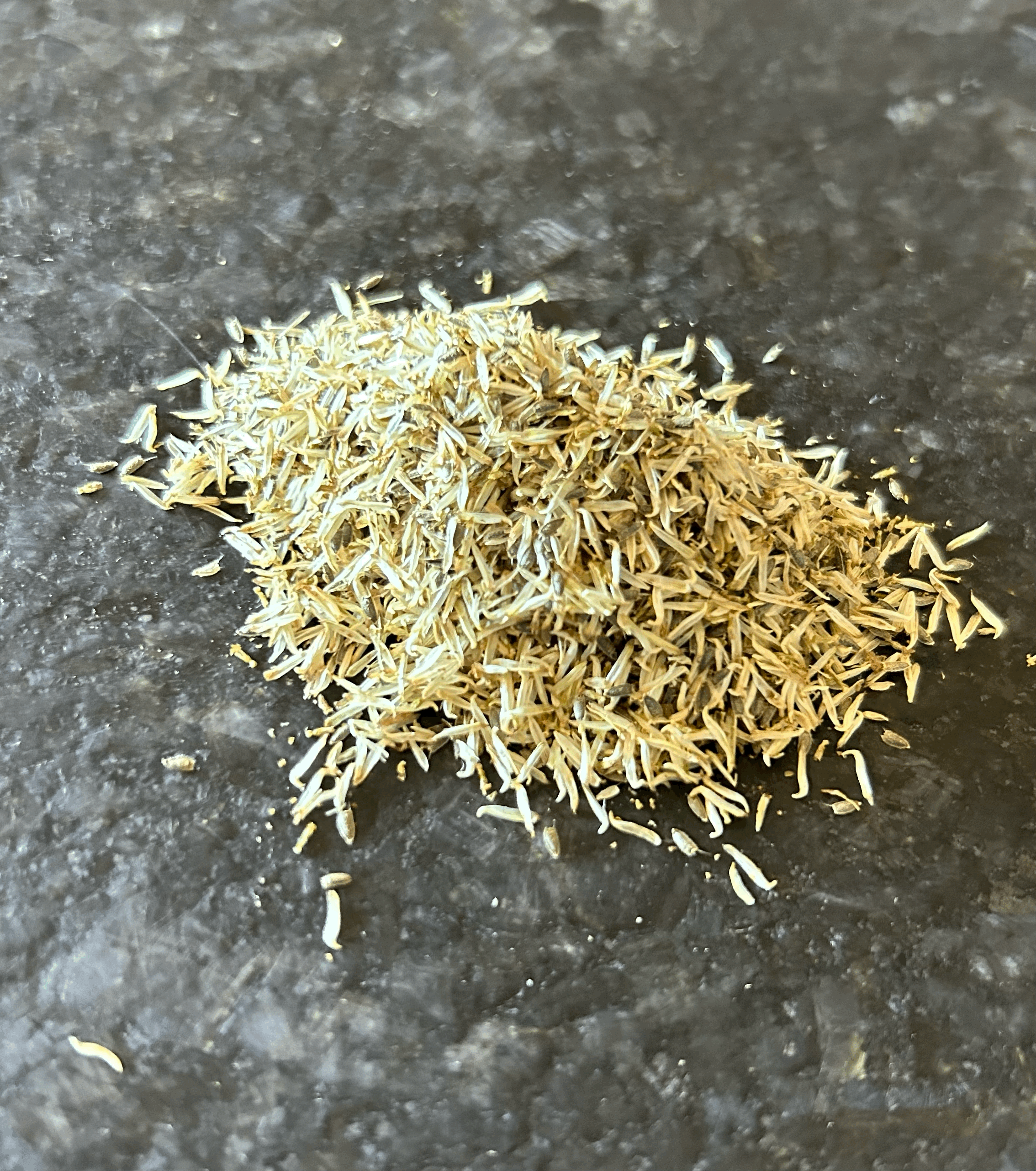
Electric Daisy Seeds
Spilanthes (Acmella oleracea), also called the electric daisy, toothache plant or buzz button, is a compact, fast-growing herb prized for its citrusy, tingling-flavored flower buds and multi-purpose uses. It’s easy to grow in containers or garden beds, makes a productive companion plant, and offers culinary, medicinal, and ornamental value.
Why plant spilanthes
Unique flavor and sensory experience: small, yellow-and-red button flowers produce a refreshing, numbing, tingling sensation that livens salads, cocktails, and condiments.
Medicinal and topical uses: traditionally used for oral discomfort, mild antiseptic rinses, and as a stimulant for saliva and digestion.
Pollinator-friendly, attractive groundcover: flowers attract bees and beneficial insects; dense growth suppresses weeds.
Fast harvest cycle and repeat blooms: harvest flowers and leaves continuously through the growing season.
When to plant
Start seeds indoors 6–8 weeks before your last expected spring frost. Ideal indoor sowing: late winter to early spring.
Transplant outdoors after the danger of frost has passed and soil temperatures are consistently above 60°F (15–16°C).
In warm climates (USDA zones 9–11), spilanthes can be grown year-round; in cooler zones, treat it as an annual or overwinter indoors.
You can also direct-sow outdoors after the last frost when soils have warmed.
How to grow
Light: Full sun to light afternoon shade. Full sun produces denser foliage and more flowers.
Soil: Well-draining, fertile soil with moderate organic matter. pH 6.0–7.0 is fine.
Spacing: Space plants 8–12 inches apart to allow airflow and bushy growth.
Water: Keep evenly moist but not waterlogged. Tolerant of short dry spells once established but does best with consistent moisture.
Fertilizer: A light balanced fertilizer at planting and a monthly feeding during active growth promotes vigorous flowering. Avoid heavy nitrogen late in the season to encourage blooms over excessive leaf growth.
Pruning/maintenance: Pinch or harvest flower buds and terminal growth to encourage branching and extend bloom period. Remove spent flowers to tidy plants and reduce self-seeding if undesired.
Pests/diseases: Generally trouble-free. Watch for aphids, slugs, and occasional fungal issues in poorly drained soil. Use good airflow and avoid overhead watering to reduce disease risk.
Propagation: Easily grown from seed, cuttings, or division. Softwood cuttings root quickly in water or rooting medium.
Harvesting and storage
Harvest flower buds and leaves as needed. Buds are most flavorful before they fully open.
Harvest in the morning after dew dries for best flavor and durability.
Store fresh in the refrigerator wrapped lightly in a damp paper towel, use within a few days. Flowers and leaves can be used fresh, frozen, or preserved in vinegar/oils for longer storage.
Uses
Culinary:
Use fresh flower buds and leaves to add a citrusy, tingling note to salads, salsas, pesto, and garnishes.
Muddle buds in cocktails for a lively, effervescent mouthfeel (popular in craft cocktail bars).
Infuse oils, vinegars, syrups, and compound butter to capture the unique flavor for dressings and sauces.
Medicinal and topical:
Traditional use for temporary relief of oral discomfort—chewing a bud produces a tingling, numbing effect. Use cautiously; not a substitute for professional dental care.
Mild antiseptic and saliva-stimulating properties make it useful in gargles or topical preparations; follow appropriate dilution and safety guidelines.
Ornamental and landscaping:
Use as an edging plant, in mixed containers, or as a low groundcover. Blooms are eye-catching and attract pollinators.
Companion planting:
Can deter certain pests and attract beneficial insects when planted near vegetables and herbs.
Safety and cautions
Generally considered safe in culinary amounts. Some people may experience strong oral sensations; start with small amounts.
Avoid internal medicinal use in large amounts without professional guidance, especially for children, pregnant or nursing people, or individuals with specific health conditions.
Test topically for sensitivity before broader use.
Plant spilanthes to add a distinctive flavor, versatile uses, and pollinator-friendly blooms to your garden. Start seeds indoors about 6–8 weeks before your last frost, transplant after temperatures are reliably warm, keep plants well-watered and fed, and harvest buds and leaves throughout the season for culinary and topical use.