
Calendula Seeds
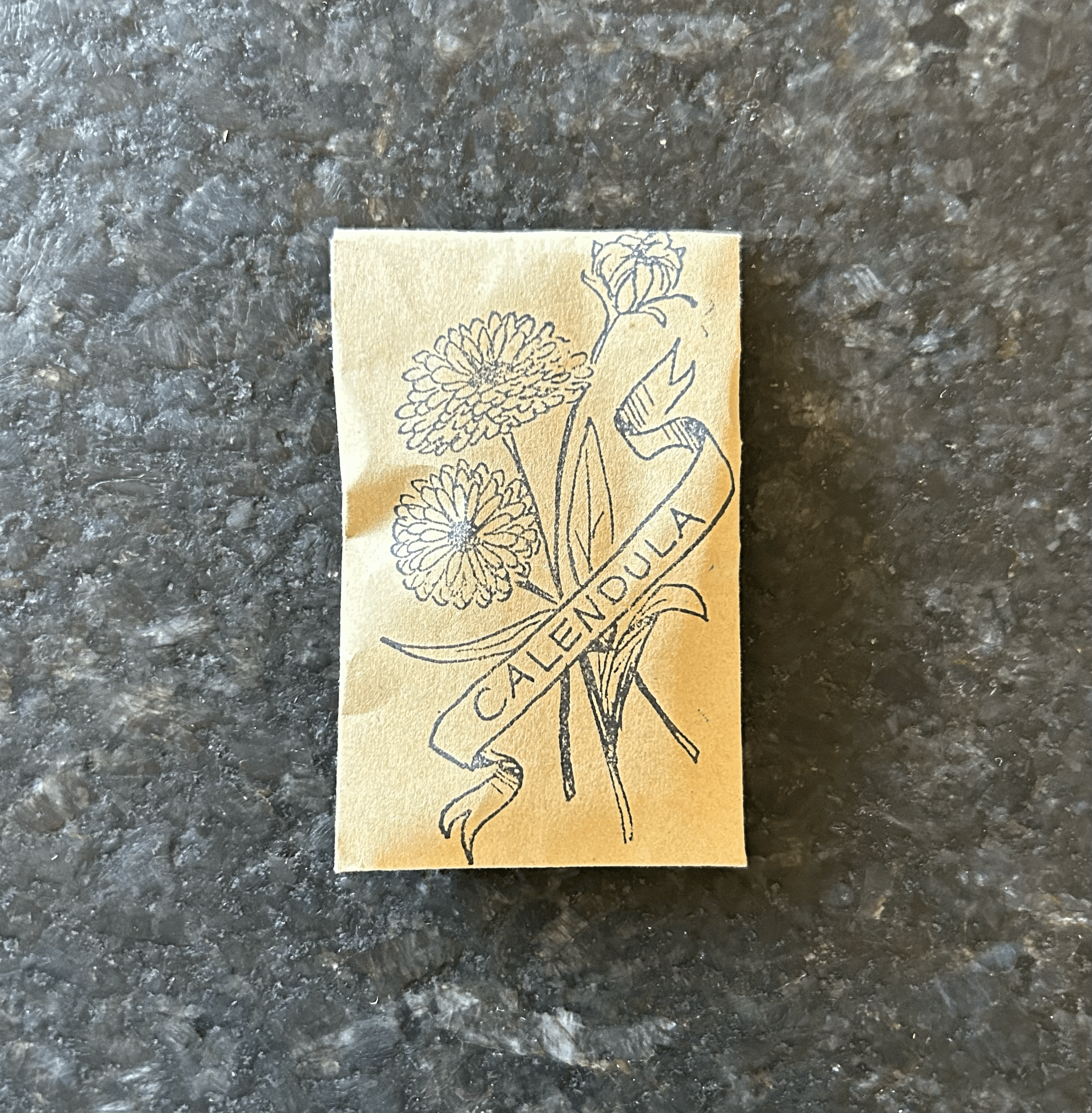
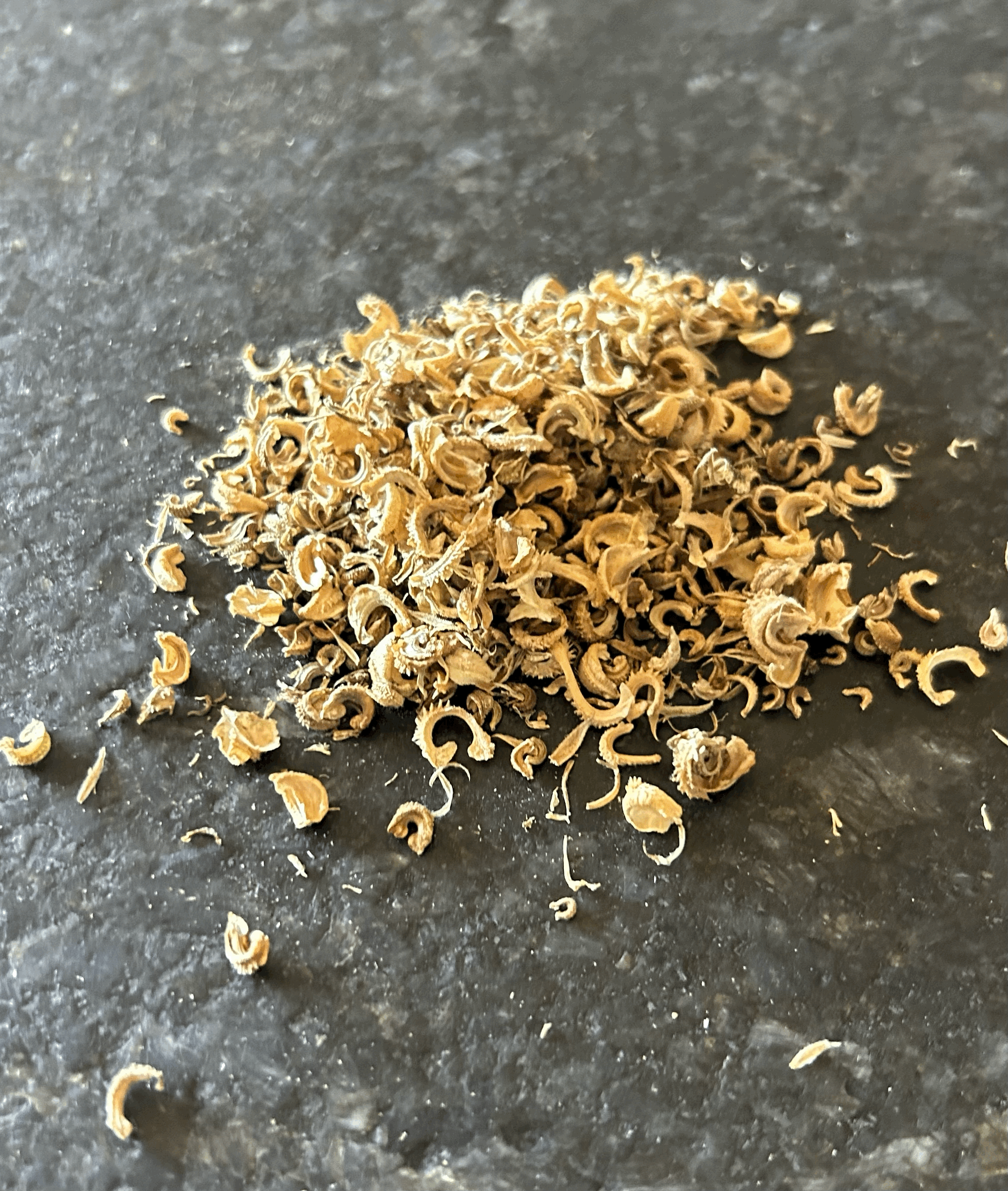
Calendula Seeds
Bright, easy-to-grow calendula brings reliable color, useful herbs, and garden resilience to every yard and container. If you want flowers that reward you with long bloom times, attract pollinators, and supply an array of home uses—from fresh bouquets to soothing salves—calendula is a smart, low-effort choice.
Why choose calendula?
Fast and forgiving. Calendula thrives in many climates, tolerates light frost, and blooms within weeks of germination. It’s ideal for beginners and busy gardeners.
Multi-purpose. Petals are edible and pretty in salads or teas, they make excellent cut flowers, and they’re a top choice for homemade skin salves, balms, and infused oils.
Pollinator-friendly. Bees and beneficial insects love calendula, boosting fruit and vegetable yields nearby.
When to plant
Spring: Sow seeds outdoors 2–4 weeks before your last expected frost, or start indoors 6–8 weeks before transplanting. Calendula can handle cool weather and often blooms earlier than many annuals.
Fall: In mild-winter regions, sow in late summer or early fall for a profusion of blooms through winter and early spring.
Succession planting: For continuous blooms, sow seeds every 3–4 weeks during the growing season.
How they grow
Light and soil: Calendula prefers full sun but tolerates partial shade. It grows well in average, well-draining garden soil and tolerates poor soils better than many ornamentals.
Spacing and height: Space plants 8–12 inches apart. Depending on the variety, heights range from compact 6–12 inch types to taller 18–24 inch plants.
Water and care: Keep evenly moist during establishment. Once established, calendula is drought-tolerant but performs best with regular watering. Deadhead spent flowers to extend bloom time; allow some seed heads to mature if you want natural reseeding.
Pests and disease: Generally low-maintenance. Watch for powdery mildew in humid climates and occasional aphids. Good air circulation, proper spacing, and moderate watering reduce problems.
How to use calendula
Culinary: Fresh petals brighten salads, soups, and rice dishes and make a mild, floral-tasting tea. Use petals as a saffron substitute for color and gentle flavor.
Medicinal and skin care: Infuse petals into oil to make salves, creams, or soothing balms for minor cuts, dry skin, and inflammation. Calendula’s anti-inflammatory and healing properties make it a staple for herbal first-aid.
Decorative and bouquets: Long-lasting, cheerful blooms cut well for vases and last indoors when properly conditioned.
Companion planting: Plant near vegetables and herbs to attract pollinators and beneficial insects while deterring some pests.
Bring calendula into your garden for color, utility, and reliable performance. Plant this season and enjoy blooms, culinary uses, and homemade remedies that make calendula one of the most versatile plants you can grow.