
Castor Bean Seeds
Castor Bean Seeds
Castor Plants — Bold, Fast-Growing, and Exceptionally Useful
Transform your garden with castor plants (Ricinus communis), an eye-catching addition that delivers rapid growth, tropical foliage, and versatile uses. Whether you want dramatic landscape accents, quick privacy screens, or a natural source of oil for household and industrial needs, castor plants make a strong, smart choice.
Why Choose Castor Plants?
Striking appearance: Large, glossy, palmate leaves in colors from deep green to burgundy and purple create an immediate visual impact. Some varieties produce dramatic, star-shaped leaf patterns that read like living sculptures in beds and borders.
Rapid growth: Castor is fast-growing, often reaching 6–10 feet in a single season in warm climates. It establishes quickly to fill gaps, provide shade, or form temporary screens.
Versatile use: Castor seeds are the source of castor oil, prized for lubricants, cosmetics, industrial applications, and traditional remedies (processed only by qualified handlers). The plant also functions as an ornamental specimen, windbreak, or statement focal point in mixed plantings.
Low maintenance: Once established, castor tolerates heat and dry spells better than many tropicals, requiring only routine watering and occasional feeding for best performance.
How They Look and Grow
Foliage: Large palmate leaves with 7–12 lobes, often 12–24 inches across on mature plants. Leaf color ranges from bright green to deep maroon or nearly black depending on the variety.
Stems: Upright, thick, and sometimes reddish; robust stalks support the heavy canopy.
Height and habit: Single-season annual in temperate zones, commonly 6–10 feet tall; perennial shrub in frost-free climates, where some cultivars can exceed 15 feet.
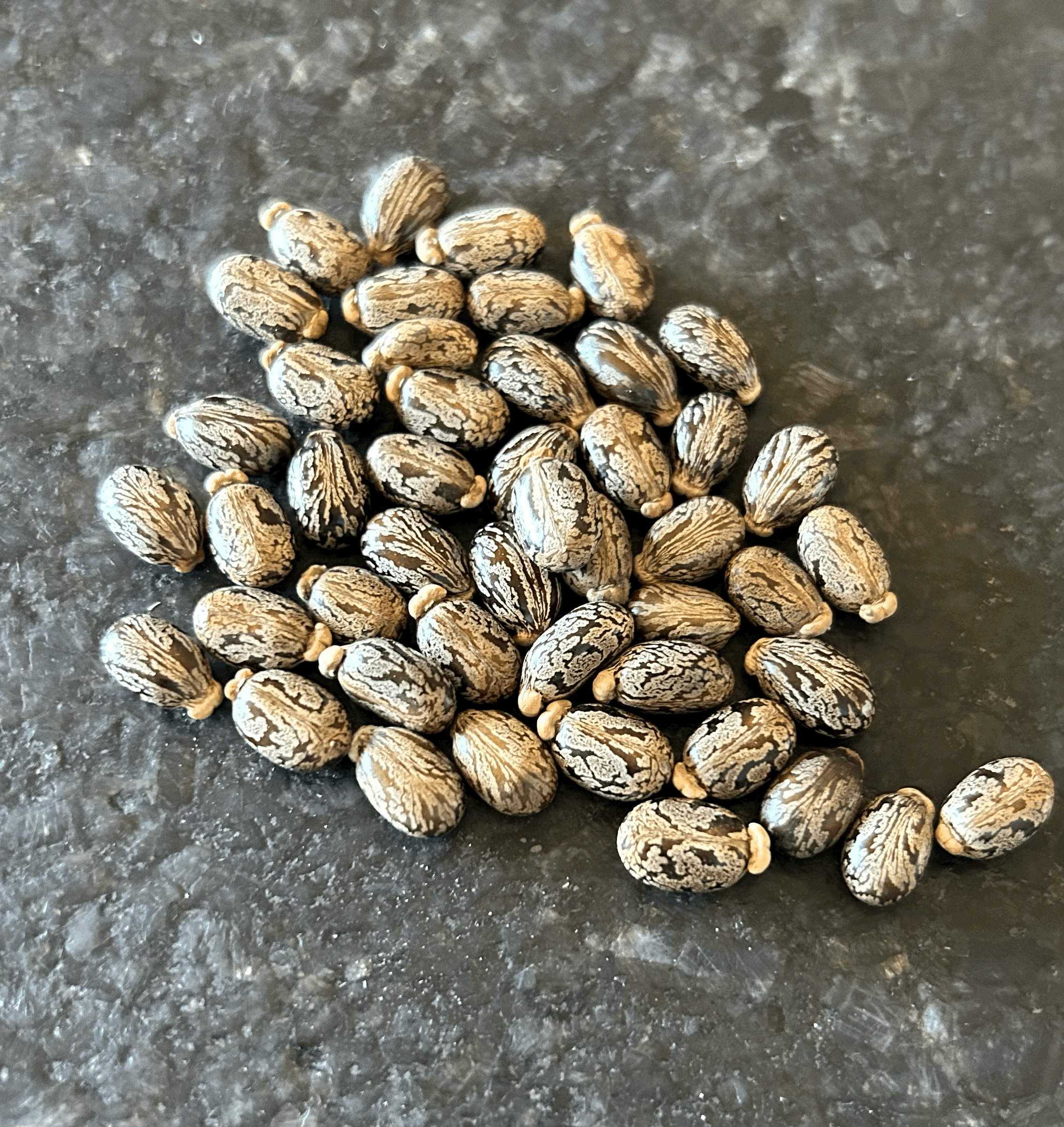
Flowers and seeds: Clusters of inconspicuous flowers develop into spiny seed capsules containing glossy seeds. Seed color varies—brown, mottled, or red—depending on cultivar.
Growth conditions: Prefers full sun and fertile, well-draining soil. Performs best in warm temperatures and benefits from regular watering during establishment.
When and How to Plant
Timing: Start indoors 6–8 weeks before last frost in cold climates; transplant out after all danger of frost has passed and soil has warmed. In warm climates (USDA zones 9–11), sow outdoors after the last frost or plant container-grown specimens any time of year.
Seed starting: Sow seeds 1/2–1 inch deep in a moist seed mix. Germination typically occurs in 7–14 days at soil temperatures of 70–85°F. Use gloves when handling seeds.
Spacing: Allow 3–6 feet between plants for larger varieties; smaller cultivars can be spaced 2–3 feet apart. Wider spacing ensures good air circulation and full leaf development.
Soil and feeding: Rich, well-amended soil encourages vigorous growth. Incorporate compost at planting and apply a balanced fertilizer monthly during the growing season.
Water: Keep evenly moist while establishing. Once established, castor tolerates short dry spells but performs best with regular watering.
Containers: Use large pots for container growing; choose sturdy containers and monitor soil moisture closely.
Care and Maintenance
Pruning: Pinch back young plants to promote bushiness. Remove dead or damaged leaves as needed. In perennial regions, cut back to near the crown in late winter to encourage new growth.
Pest and disease: Generally resistant to major pests. Watch for aphids or spider mites on stressed plants; treat with insecticidal soap if needed. Good spacing reduces fungal risks.
Safety: All parts of the plant—especially the seeds—are highly toxic if ingested. Keep away from children and pets, and handle seeds with gloves. Castor oil is processed to remove toxins and should be obtained from reputable sources for any consumable or topical use.
Uses
Ornamental: Dramatic focal points in beds, borders, and tropical-themed gardens. Use as a temporary privacy screen or mixed with perennials for bold contrast.
Functional: Fast shade and windbreak in warm-season landscapes. Good for erosion control on slopes when used in groups.
Industrial and household: Seeds are the raw material for castor oil, used in lubricants, cosmetics, soaps, and certain industrial processes. Only qualified processors should handle seed-to-oil conversion due to natural toxins.
Garden benefits: Attracts beneficial birds and creates microclimates for understory plants in larger landscapes.