
Bronze Fennel Seeds
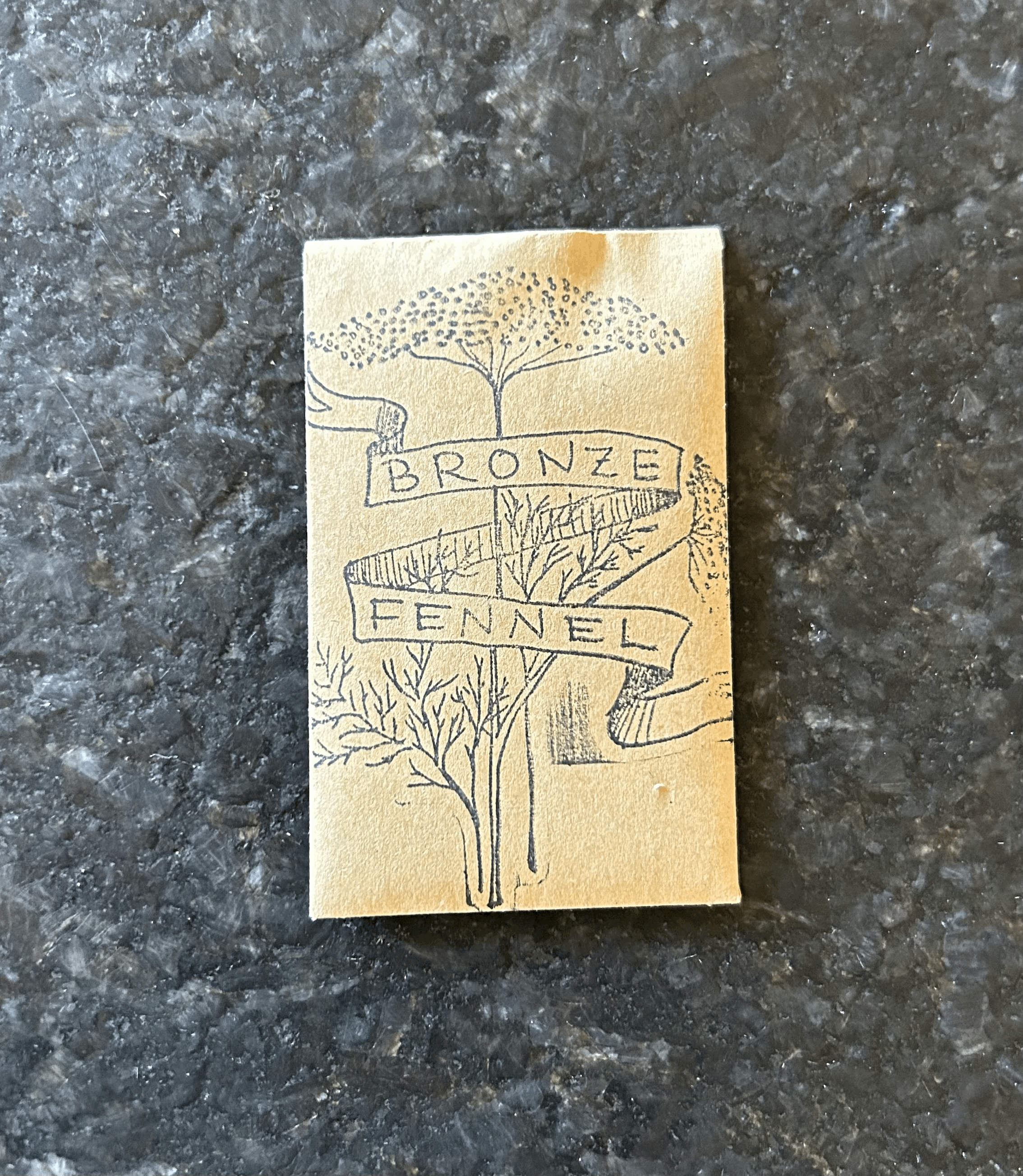
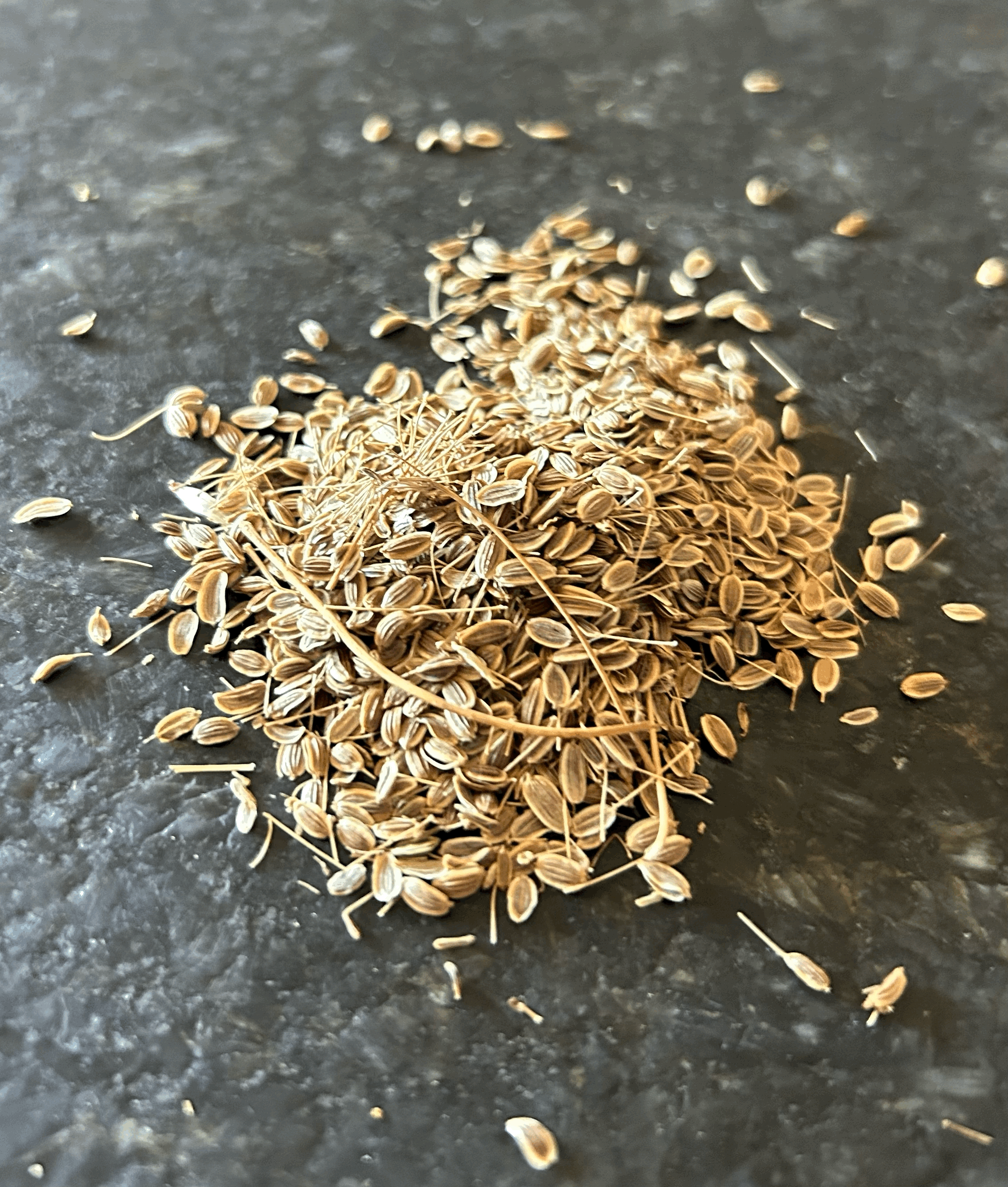
Bronze Fennel Seeds
Meet bronze fennel — a striking, multi-purpose addition to any garden that marries ornamental drama with culinary and ecological value. With its deep-bronze, feathery foliage and bold architectural presence, bronze fennel stands out in borders, containers, and herb gardens while offering year-round interest and practical uses.
Why choose bronze fennel?
Eye-catching foliage: Unlike common fennel, bronze fennel boasts rich, coppery to mahogany leaves that create contrast against green plantings and offer a sculptural silhouette.
Fast-growing and hardy: Establishes quickly from seed or transplants and tolerates a wide range of soils and conditions, thriving in full sun and draining soil.
Dual-purpose: Valued for both its ornamental beauty and its edible components — fronds, stalks, flowers, and seeds — plus it supports pollinators.
Wildlife-friendly: Produces umbels of small yellow flowers that attract bees, beneficial insects, and serve as the host plant for swallowtail butterfly caterpillars.
What it looks like
Foliage: Finely divided, threadlike leaves with a distinctive bronze to maroon coloration that lightens toward the tips. The texture is airy and feathery.
Form: Upright, clumping habit that can reach 3–5 feet tall depending on growing conditions.
Flowers and seeds: Flat-topped clusters (umbels) of tiny yellow flowers in mid to late summer, followed by aromatic, oblong seeds that ripen to a warm brown.
How to grow bronze fennel
Light: Full sun for best foliage color and flowering. Tolerates partial shade but may become leggy.
Soil: Prefers well-draining soil, average fertility. Tolerates sandy or slightly poor soils; avoid heavy, waterlogged sites.
Planting: Sow seeds directly after danger of frost or start indoors 4–6 weeks before last frost. Thin seedlings to 12–18 inches apart. Transplants should be set at the same depth as in their pots.
Watering: Water regularly to establish; once established, bronze fennel is moderately drought tolerant. Avoid overwatering.
Fertilizer: Minimal feeding needed. A light application of balanced fertilizer or compost in spring is usually sufficient.
Maintenance: Deadhead spent flowers to prevent unwanted self-seeding if you want to control spread. Cut back in late fall or early spring to promote fresh growth. If seed harvest is desired, allow umbels to dry on the plant and collect seeds when brown and dry.
Pests and diseases: Generally low-maintenance and pest-resistant. Monitor for aphids or fungal issues in overly damp conditions.
Containment: Bronze fennel self-seeds readily. Use containers or remove flowerheads if volunteer plants are a concern.
Uses
Culinary: Fronds add a mild anise flavor to salads, dressings, and seafood dishes. Young stems can be sliced like celery. Seeds are a warm, licorice-like spice used whole or ground in baking, sausages, spice blends, and herbal teas.
Ornamental: Use in mixed borders for color contrast, as a focal specimen in herb gardens, or in containers to create height and texture.
Pollinator garden: Flowers attract bees, hoverflies, and other beneficial insects; essential for gardeners seeking to support pollinator populations.
Cut flowers and arrangements: Long-lasting umbels and feathery foliage work well in fresh and dried arrangements, adding structure and color.
Companion planting: Can be planted near brassicas to attract predatory insects that help manage cabbage pests; avoid planting too close to certain herbs that prefer less vigorous neighbors.
Selling points for gardeners and landscapers
Immediate visual impact: The bronze foliage provides a rare color palette in herbaceous plantings.
Multi-functional: Combines beauty, flavor, and ecological benefits in one plant.
Low fuss: Minimal care needs make it suitable for beginning and busy gardeners.
Climate adaptable: Performs well in a variety of temperate climates with typical summer conditions.
Planting suggestions and pairings
Pair with silver-leaved plants (lavender, artemisia) for striking contrast.
Combine with early-blooming perennials (salvia, echinacea) to create season-long interest.
Use in vegetable garden edges to attract beneficial insects and add flavor to nearby harvests.
Offer Bring bronze fennel into your garden for instant color, seasonal blooms, and versatile culinary uses. Ideal for borders, containers, pollinator habitats, and kitchen gardens, this resilient and attractive plant earns its place in any landscape. Order bronze fennel today and enjoy a plant that looks as good as it performs.